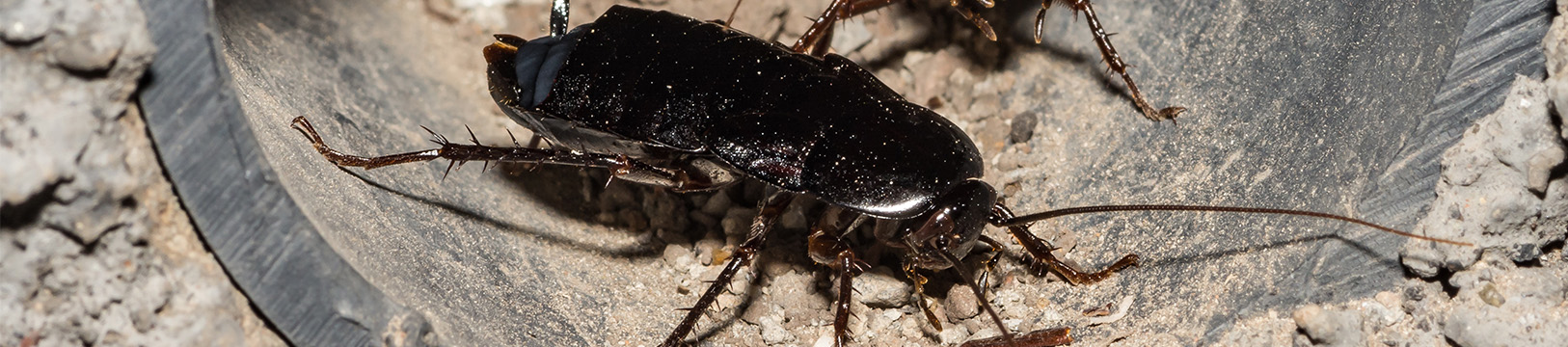

Oriental cockroaches are dark, shiny roaches that are often mistaken for “water bugs” because of where homeowners usually find them. They show up in damp, dark places like basements, crawl spaces, floor drains, utility rooms, garages, and areas around plumbing.
They are among the more unpleasant cockroach species homeowners deal with in Oklahoma and North Texas because they are strongly associated with moisture, decaying organic matter, and musty odors. When several are active in the same area, the smell can become noticeable before you find where they are hiding.
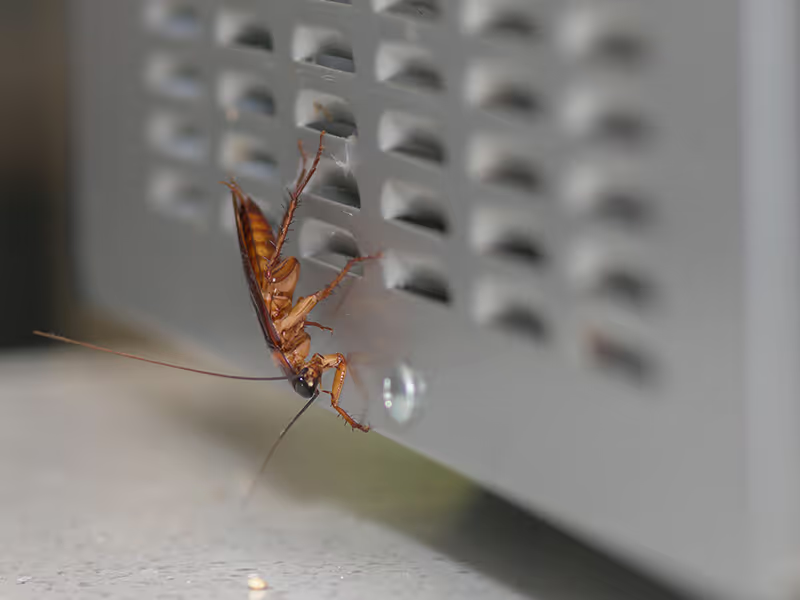
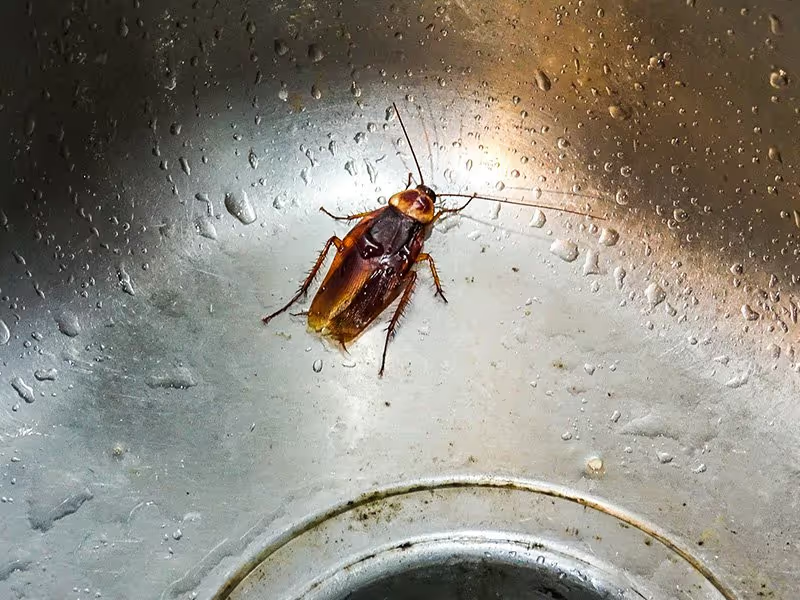
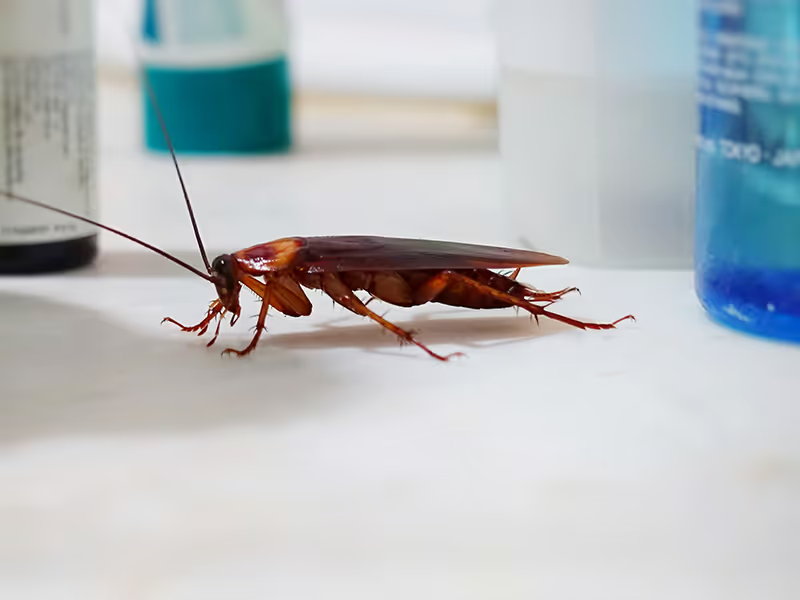
Oriental cockroaches are medium-sized roaches, usually about 1 to 1¼ inches long. They are dark brown to almost black with a smooth, glossy body, which makes them easier to notice on light-colored floors, walls, tubs, and sinks.
Males and females look different. Males have shortened wings that cover part of the abdomen, but they do not fly. Females have small wing pads and a wider, more rounded body. Both have six spiny legs, long antennae, and two small cerci at the rear.
The easiest clues are color, movement, and location. If the roach is dark, shiny, slow-moving, and showing up near drains, crawl spaces, basements, garages, or other damp lower-level areas, Oriental cockroaches are a strong possibility.
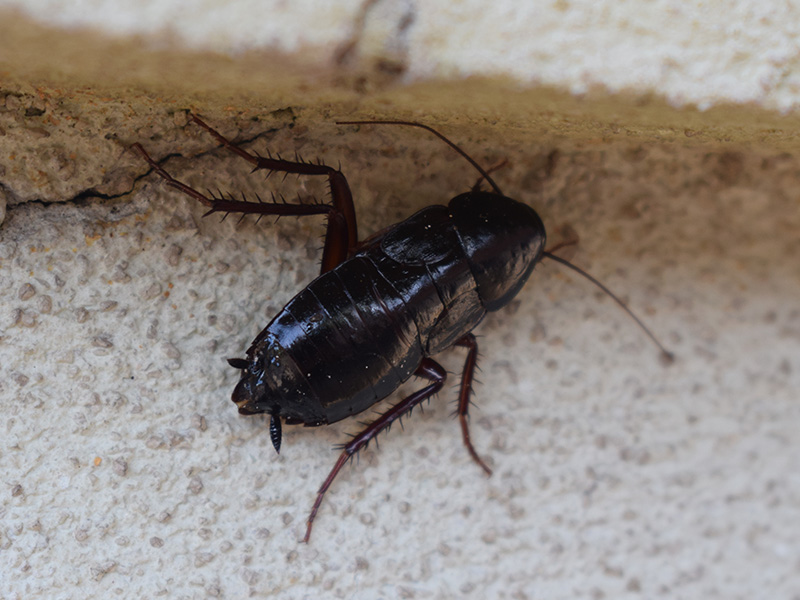
Oriental cockroach activity usually starts to rise in spring, peaks through the warm, humid summer months, and can stay noticeable into early fall. Activity drops in late fall and winter, but sightings can still happen indoors around drains, plumbing, crawl spaces, basements, and other damp areas.
Oriental cockroaches tend to stay in lower areas of the home, so you may not see them in kitchens or upper floors the way you would with some other roach species.
Homeowners often notice dark, slow-moving cockroaches in basements, garages, utility rooms, crawl spaces, or near floor drains. A strong, musty odor can also develop in areas where several roaches are active. That odor is one of the reasons Oriental cockroaches feel so unpleasant compared to many other household pests.
You may also see dark, irregular droppings along baseboards, near drains, around plumbing access points, or in crawl spaces. Oriental cockroach egg capsules are dark reddish-brown and about ½ inch long. They are often left near food sources or tucked into sheltered cracks and crevices.
If roaches are appearing near floor drains, sump pumps, plumbing cleanouts, or low-level utility areas, Oriental cockroaches should be considered a possibility.
Outside, they tend to live around storm drains, sewer access points, utility manholes, leaf litter, thick ground cover, heavy mulch, patio edges, sidewalks, meter boxes, sprinkler valve covers, utility vaults, trash cans, dumpsters, compost piles, and yard waste.
According to the OSU Extension, Oriental cockroaches favor dark, damp basements when they move indoors. Crawl spaces, garages, utility rooms, floor drain areas, sump pump areas, plumbing chases, wall voids near pipes, and spaces under or behind water heaters, washing machines, and around HVAC units are also common places to find this species.
Oriental cockroaches are slow-moving and do not climb smooth vertical surfaces well, so they usually rely on low-level access points.
They may enter through floor drains without functioning traps, gaps around sewer line penetrations, plumbing cleanouts, foundation cracks, slab cracks, spaces under garage doors, gaps under exterior doors, crawl space vents, utility openings, meter boxes, and ventilation openings without proper screening.
Because they can move through sewer and drain systems, Oriental cockroaches may bypass some of the exterior barriers that help keep other pests out. That is why inspections often need to look beyond obvious door gaps and foundation cracks.
Oriental cockroaches usually live outdoors, but they move when the conditions around them change. Heavy rain can flood the damp hiding places they use outside. Long dry stretches can make outdoor moisture harder to find. Warm, humid weather can also increase activity as populations grow and spread.
When that happens, Oriental cockroaches follow moisture, shelter, and food sources. If those conditions are closer to the house, they may move toward the foundation, garage, crawl space, drains, or plumbing areas. From there, they can slip indoors through low-level openings.
Indoor sightings do not always mean the main population is living inside. In many cases, the roaches you see are connected to outdoor activity, drain systems, crawl spaces, or other hidden areas near the structure.
Oriental cockroaches prefer decaying organic material and damp debris, but they can feed on a range of available food sources. Their diet may include rotting vegetation, leaf litter, garbage, waste material, starchy foods, pet food, dead insects, and other organic debris.
They are less likely to become a pantry-centered problem than German cockroaches, but unsecured garbage, outdoor trash areas, compost, pet food, and damp organic buildup can still attract them.
Yes. Oriental cockroaches pose a contamination concern due to where they live and travel. They spend time in sewers, drains, garbage areas, decaying organic matter, and damp debris before moving across surfaces in and around the home.
Cockroaches can carry bacteria and other contaminants from unsanitary areas onto floors, countertops, stored items, and food-preparation surfaces.
Their droppings, shed skins, and body oils can also contribute to indoor allergens, which may aggravate asthma or allergy symptoms in sensitive people.
The musty odor they produce can become noticeable in areas with concentrated populations.
Several cockroach species can show up in homes across Oklahoma and North Texas, but Oriental cockroaches have a few traits that set them apart.
German cockroaches are much smaller, tan to light brown, and usually live indoors around kitchens, bathrooms, appliances, cabinets, and food sources. Oriental cockroaches are larger, darker, slower, and more tied to damp areas near drains, crawl spaces, basements, garages, and plumbing access points.
American cockroaches are larger and more reddish-brown. Oriental cockroaches are smaller, darker, shinier, and more likely to stay close to ground-level or below-grade moisture sources.
If you are seeing dark, slow-moving cockroaches near drains, in a garage, around a crawl space, or in a lower-level utility area, Oriental cockroaches may be the issue. A Pied Piper technician can confirm the species during an inspection.
Keep floor drains functioning properly, especially those rarely used. Repair leaky pipes, dripping faucets, condensation issues, and other moisture problems in basements, crawl spaces, garages, and utility rooms.
Seal gaps around plumbing penetrations, sewer cleanouts, utility lines, foundation cracks, exterior doors, and garage doors where possible. Keep outdoor garbage cans sealed and cleaned, and avoid letting leaf litter, mulch buildup, compost, or yard debris collect against the foundation.
These steps can help reduce the conditions Oriental cockroaches prefer, but they may not solve an active problem if roaches are already moving through drains, crawl spaces, sewer lines, or sub-slab areas.
Oriental cockroaches are difficult to eliminate without professional treatment because they are often connected to damp, hidden, or hard-to-reach areas. Because the source may be tied to drains, crawl spaces, sewer lines, or hidden moisture areas, treatment needs to focus on where Oriental cockroaches are living and moving—not just the roaches you happen to see.
The Pied Piper’s Pro And Elite home pest control plans include cockroach coverage. Our technicians inspect for activity and then apply targeted treatments to eliminate all stages of life development.
Regular service visits throughout the year prevent re-infestation and keep other house-infesting pests away. If you are dealing with Oriental cockroaches in your home, contact The Pied Piper to schedule an inspection.
Oriental cockroaches are usually tied more to moisture and access than housekeeping. A clean home can still have activity if roaches are moving in from drains, crawl spaces, damp exterior areas, sewer lines, or gaps around the foundation.
Not exactly. Many people call Oriental cockroaches “water bugs” because they show up in damp places, but Oriental cockroaches are true cockroaches. True water bugs are different insects that live in or around water, not the roaches homeowners usually find near drains, basements, crawl spaces, or garages.
Should I be worried if I see Oriental cockroaches during the day?
Yes, especially if sightings continue. Oriental cockroaches are typically nocturnal and usually stay hidden. Seeing them during the day can mean they are being pushed out by moisture changes, crowding, or activity in nearby hiding places.
They are less likely to become a kitchen-centered infestation than German cockroaches, but they can still move through kitchens if moisture, food, or trash is available. Sightings near lower cabinets, sinks, or floor-level gaps should be inspected.
Oriental cockroaches are not the kind of roach problem you want to ignore. Their connection to moisture, drains, sewers, and decaying organic matter makes proper identification important.
If you are seeing dark, slow-moving roaches near drains, crawl spaces, garages, utility rooms, or lower-level areas of your home, The Pied Piper can help. Schedule an inspection today and get a treatment plan for Oriental cockroaches in your Oklahoma or North Texas home.

Always prompt to respond and very helpful when pest problems arise! They even came same day to set traps when I had a mouse and returned to remove the mouse after it was caught. Very pleased!
Hannah G.
Eufaula, OK

When the weather turned cold, we had hundreds of wasps try to enter our home to find warmth. Despite it being afternoon on a Friday with no appointment, Pied Piper came out when I called and handled the wasp problem. Gene Pearson was great. He went above and beyond. Highly recommend!
Derek S.
Eufaula, OK

Great experience with Pied Piper! The technician Ben was very knowledgeable about all aspects of pest control. Very professional appearance and service to boot! Ben answered any questions I had and was very thorough with inspection and application. Would highly recommend. Ditch the rest and get with the best!
Kevin N.
Azle, TX


Helpful Tips & Info