What This Article Covers
- What bed bugs look like and where they hide
- How to inspect a hotel room for bed bugs
- Seasonal trends in bed bug activity
- Steps to take if you find signs of bed bugs
- Tips to prevent bringing bed bugs home
What Are Bed Bugs?
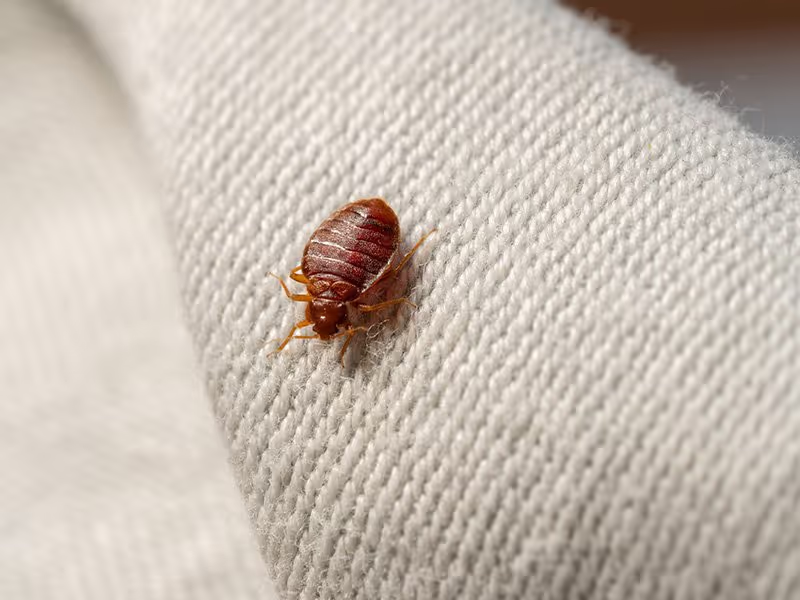
Bed bugs are tiny, parasitic insects that feed on human blood. Adults are about the size of an apple seed, reddish-brown, and become darker and swollen after feeding. Nymphs are small, creamy-white, and grow darker as they mature. Eggs are tiny, white, and often hidden in cracks and crevices.
Bed bugs are nocturnal, so spotting them during the day can be tricky. They are not limited to dirty or budget hotels; they can be anywhere people spend time because they travel easily on clothing and luggage.
When Bed Bug Activity Increases
While bed bugs do not have a particular season, certain times of the year see more activity due to increased travel:
- Holiday seasons: Families and business travelers often stay in hotels, providing bed bugs more opportunities to spread.
- Summer vacations: The warmer months encourage travel and lodging use, coinciding with an increase in bed bug encounters.
- Conference and event periods: Hotels with higher occupancy are more likely to experience introductions of bed bugs from guests.
Being extra vigilant during these periods can reduce the risk of bringing bed bugs home.
Before You Unpack: Inspect Your Room
When you get your hotel room key, leave your luggage outside and inspect the room before bringing it in. If you must bring bags inside, place them in the bathroom or on a luggage rack to reduce risk.
Check the Bed First—Your First Line of Defense
Beds are the most common hiding spot, so start there:
- Pull back sheets and check for red dots, brown streaks, live bugs, or black smears.
- Inspect the mattress, mattress pad, box spring, pillows, and headboard, paying close attention to seams and crevices.
- Use a flashlight for better visibility.
Inspect Other Potential Hiding Spots
Bed bugs can hide almost anywhere. After the bed, check:
- Nightstands and dressers, including inside drawers
- Upholstered furniture, along seams and under cushions
- Behind picture frames, curtains, and along baseboards
- Cracks in the floor or walls and room corners
Found Bed Bugs? Here’s What to Do Next
If you discover signs of bed bugs:
- Leave the room immediately.
- Notify the hotel staff and request a different room, ideally one that is not next to, above, or below the infested room.
- Inspect the new room thoroughly before unpacking your belongings.
4 Tips to Prevent a Bed Bug Infestation in Your Home
Even if your room appears clean, store clothing in sealed plastic bags inside your luggage, and once you get home, follow these steps:
- Check luggage for bugs before bringing it back inside.
- Wash and dry all clothes on hot settings immediately after travel.
- Vacuum luggage thoroughly before storage.
- Conduct routine bed bug inspections at home after returning from trips.
What to Do if Bed Bugs Come Home With You
In rare cases, bed bugs may hitch a ride in your suitcase or bags. Signs of bed bugs include clusters of itchy bites or spotting the bugs themselves.
Read: Signs of Bed Bugs
If you notice bed bugs or signs of these biting pests, act quickly; infestations can grow if left untreated. Contact The Pied Piper for comprehensive bed bug control services that utilize advanced techniques to eliminate all stages of bed bugs, including eggs, nymphs, and adults.
In addition to residential services, The Pied Piper provides commercial bed bug control for office buildings, hotels, and other facilities.
Contact Us Today for Relief From Bed Bugs!
Protect your home from bed bugs by staying vigilant, inspecting rooms, and taking precautions with your luggage. Professional services ensure any infestation is completely removed, giving you peace of mind. Find the nearest Piper today!