What This Blog Covers
- Where bed bugs come from and how infestations start
- How bed bugs get into homes, apartments, and commercial buildings
- Common early signs of bed bug activity
- Prevention tips for both residential and commercial properties
- When professional bed bug control is needed, and how The Pied Piper can help
How Bed Bugs Get Into Homes & Businesses
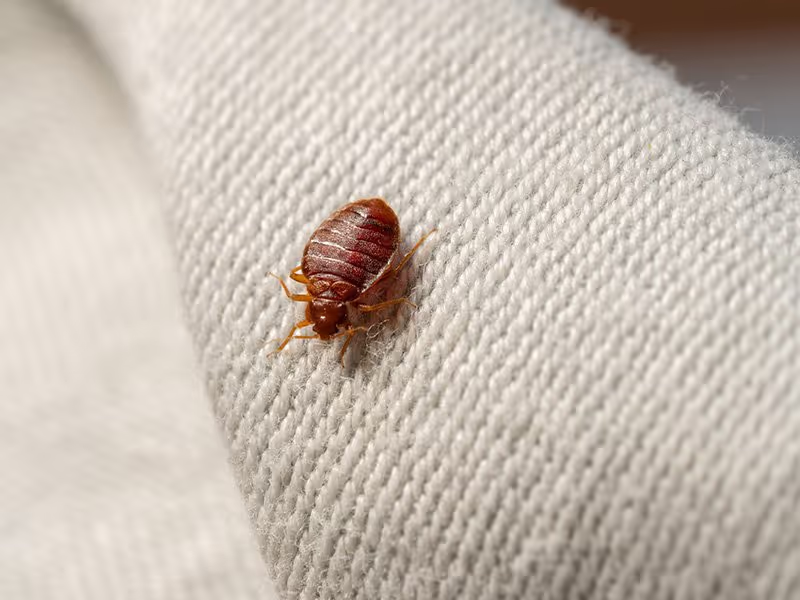
Bed bugs don’t fly or jump, but they are excellent hitchhikers. They spread by clinging to personal belongings and traveling with people from one place to another. That means infestations often start without anyone realizing it.
Common ways bed bugs enter a space include:
- Travel: Bed bugs often hitch rides on luggage, clothing, backpacks, and purses after stays in hotels, motels, Airbnbs, or vacation rentals.
- Second-hand furniture: Used mattresses, box springs, couches, chairs, and upholstered furniture can harbor bed bugs if they’re not carefully inspected before being brought indoors.
- Multi-unit properties: In apartments, hotels, dorms, and office buildings, bed bugs can move between units through wall voids, electrical outlets, or shared spaces.
- Public places: Locations with frequent visitors, such as offices, retail stores, movie theaters, public transportation, and waiting rooms, can be sources of accidental exposure.
It’s important to note that bed bugs are not attracted to dirt or poor hygiene. They’re drawn to people and places where they can easily hide and feed, which means even clean, well-maintained homes and businesses can be affected.
Early Signs of Bed Bug Activity
Because bed bugs are nocturnal and very good at hiding, you may notice signs of their presence before you ever see a live bug.
Common signs include:
- Itchy, unexplained bites that often appear on exposed skin, such as the arms, neck, shoulders, or torso
- Small blood stains on sheets, pillowcases, or pajamas
- Dark or rusty-colored spots on bedding or mattresses
- Shed skins or tiny eggshells near mattress seams, bed frames, headboards, or furniture joints
For a more detailed breakdown, visit our related article, Signs of Bed Bugs, to learn what to look for and when to take action.
Bed Bug Prevention Tips for Homes & Businesses
While bed bugs can be difficult to prevent entirely, proactive steps can greatly reduce the risk of an infestation.
Prevention Tips for Homes
- Inspect luggage and personal items after traveling
- Wash and dry clothing on high heat after trips
- Carefully examine second-hand furniture before bringing it indoors
- Use mattress and box spring encasements designed for bed bug prevention
- Reduce clutter that creates hiding spots
Prevention Tips for Businesses
- Train staff to recognize early signs of bed bugs
- Schedule routine inspections, especially in high-traffic or lodging environments
- Encourage immediate reporting of suspected bed bug activity
- Work with a professional pest control provider for monitoring and preventative services
Early detection helps reduce spread, downtime, and treatment costs. These tips apply to offices, retail spaces, hospitality settings, and other high-traffic environments, including healthcare and long-term care facilities.
Professional Bed Bug Control from The Pied Piper
Bed bugs are not a problem that can be reliably solved with do-it-yourself treatments. At The Pied Piper, we provide professional bed bug control services to address existing bed bug problems and help prevent future infestations.
Our bed bug control approach includes:
- Thorough inspections to determine the scope of the infestation
- Targeted treatment plans using professional-grade methods that address all life stages
- Follow-up visits to confirm successful elimination
- Ongoing service options for commercial properties that require continuous protection
If you suspect bed bugs in your home or business, early professional intervention makes a significant difference. Visit our Bed Bug Control page to learn more about how The Pied Piper can help protect your property or simply contact your nearest Piper!
This blog was originally published on January 27, 2016; it has been updated to include new information.