Quick Answer: The German Cockroach Lifespan in Real-World Terms
German cockroaches typically move through three stages—egg, nymph, adult—and can complete the full cycle from egg to reproducing adult in about 3 months under favorable indoor conditions.
That’s why German roaches are a “multiplier pest.” Even if an individual roach’s lifespan sounds short on paper, their speed and reproduction are what make them dangerous inside homes and businesses.
For homeowners, the takeaway is simple:
- If you wait weeks to act, the problem can escalate.
- If you treat only what you can see, you often miss the stage that creates the next wave.
If you’ve already spotted warning signs, compare them with our guide to Signs of Cockroaches.
The German Cockroach Life Cycle Timeline (Egg → Nymph → Adult)
Think of this as a practical clock you can use to understand what’s happening behind walls, under appliances, and inside cabinets.
Stage 1: Egg Case (Ootheca)
- What it is: A female carries an egg case (often called an ootheca) until close to hatching.
- Why it matters: Because she holds it close, eggs are often protected in the same tight, warm hiding places where roaches already thrive (especially in kitchen and laundry areas).
Homeowner reality check: if you’re seeing small roaches (nymphs), they’ve already been reproducing in your home.
Stage 2: Nymphs (Juveniles)
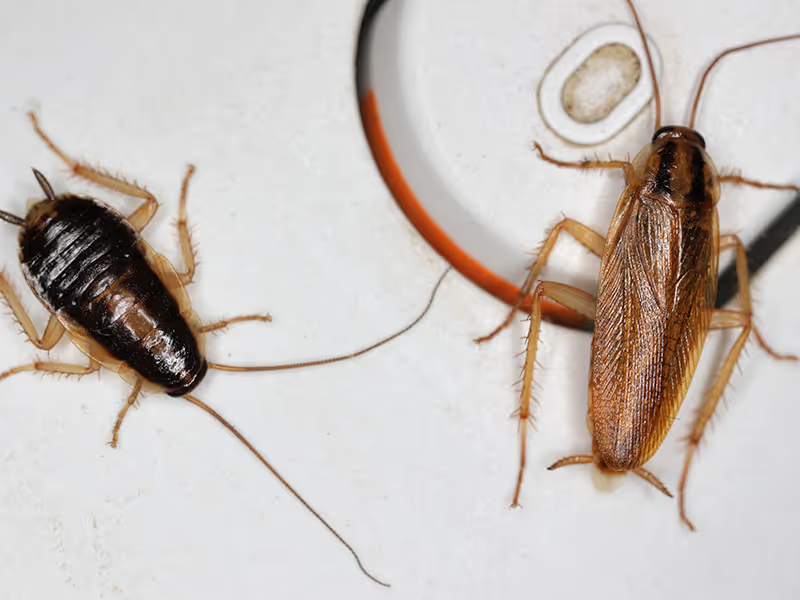
- What it is: Nymphs look like smaller roaches and grow through multiple “instars” (molts).
- Why it matters: Nymphs hide extremely well and can be the majority of the population in an active infestation.
This is also where many homeowners lose time: killing a few visible adults can feel like progress, but it rarely stops what’s happening behind the scenes as nymphs mature.
If your situation started with “I saw one,” read I Saw One Cockroach—Now What?
Stage 3: Adults (Reproducing Roaches)
- What it is: Adult German cockroaches reproduce quickly once established indoors.
- Why it matters: At this stage, you may see more daytime activity, roaches in multiple rooms, and increasing signs like droppings/smear marks.
Why the Timeline Matters: What Speeds Up (or Slows Down) an Infestation
German cockroaches are built for indoor survival. The “clock” runs fastest when these conditions line up:
1) Warmth and Stable Indoor Temperatures
Homes often maintain consistent indoor temperatures—especially in winter—creating an environment where roaches can develop steadily.
2) Easy Food and Water Access
German cockroaches don’t need much:
- Crumbs and grease behind appliances
- Pet food left out overnight
- Standing water (drips under sinks, wet sponges, condensation)
Even “clean homes” can harbor roaches if moisture and hidden food sources are present.
3) Hiding Spots Near Kitchens and Bathrooms
German cockroaches prefer to live close to what they need. That’s why you’ll often see activity:
- Under/behind refrigerators and stoves
- Inside cabinet voids
- Near dishwashers
- Around plumbing penetrations
If you’re also seeing other roach species, this comparison can help: American cockroaches.
Why German Cockroach Lifespan Matters for Your Family (and Not Just Your Cabinets)
A longer-running infestation isn’t just frustrating—it can raise the stakes.
Allergens and Indoor Air Quality
German cockroaches can contribute to indoor allergens (especially in kitchens and shared-wall living situations). The longer a population stays established, the more time allergens have to build.
Rapid Population Growth Means Higher Treatment Complexity
The earlier you intervene, the simpler the solution is. Waiting often means:
- More rooms involved
- More harborage sites
- More follow-up needed
- Greater odds of reintroduction through shared walls, deliveries, or used appliances
“Seeing Them” Often Means the Population Is Already Larger
German roaches are primarily nocturnal. If you see them during the day, it can indicate crowding or disrupted harborage—both common in heavier infestations.
A Simple “What This Means for You” Timeline
Use this quick guide as a decision tool.
If You Saw 1–2 Roaches (Especially at Night)
- Treat it as an early warning.
- Inspect high-risk areas (under sinks, behind fridge/stove, pantry corners).
- Reduce moisture and food sources immediately.
If You’re Seeing Small Roaches (Nymphs)
- Assume breeding is happening.
- Make immediate prevention changes (moisture control, food storage, sanitation).
- Plan for professional help so the life cycle is actually interrupted—not just the visible activity.
If You’re Seeing Roaches in Daytime, Multiple Rooms, or Weekly
- Treat it as an active infestation.
- Expect a staged approach: knockdown, population suppression, and follow-ups.
What to Do Next: A Practical Plan That Actually Breaks the Life Cycle
German cockroach control works best when you stop treating it like a “bug problem” and start treating it like a life-cycle problem.
Step 1: Confirm It’s German Cockroaches
Species matters. German roaches behave differently from outdoor-invader roaches. This is best accomplished with the assistance of a pest control professional.
Step 2: Focus on the 3 Drivers (Food, Water, Harborage)
This is where homeowners can make immediate progress:
- Fix leaks (even slow drips)
- Dry sinks at night
- Store food in sealed containers
- Vacuum crumbs from drawers and under appliances
- Reduce cardboard clutter (especially near kitchens)
Step 3: Avoid DIY Approaches as the Solution
With German cockroaches, DIY treatments often waste time or make the problem harder to solve—especially when sprays, foggers, or “quick kill” products push roaches into wall voids or spread them to new areas.
If you’re seeing ongoing activity, the most reliable path is a targeted, professional plan that combines inspection, placement in the right zones, and follow-ups.
Contact The Pied Piper for Effective Cockroach Control
The Pied Piper’s residential pest control services target the source of the problem—eliminating German cockroaches and other common household pests while preventing them from returning. We identify hidden harborages, apply targeted treatments, and implement prevention strategies that protect your home long-term.
If you’re dealing with a recurring problem in a multi-family setting or a business, our team can help. We provide reputation-protecting, discreet service through our commercial pest control programs.
German Cockroach FAQs
How long do German cockroaches live overall?
In favorable indoor environments, German cockroaches can complete the egg-to-adult cycle in a few months, and adults can survive for additional months. In other words, they can become established quickly and persist long enough to keep reproducing unless the life cycle is interrupted.
Why did they show up in my clean home?
Cleanliness helps, but roaches can survive on tiny food sources and moisture. Common entry/reintroduction sources include grocery deliveries, used appliances, shared walls (apartments/townhomes), and storage areas.
Are German cockroaches the same as “water bugs”?
Not exactly. “Water bug” is a common nickname people use for several types of roaches. German cockroaches are smaller, light brown roaches that live and breed indoors, while larger “water bugs” are typically outdoor species that occasionally wander inside.
When to Call The Pied Piper
If you’re seeing repeated roach activity, nymphs, or daytime roaches, it’s worth getting a professional inspection. The fastest path to relief is a plan that matches the species and targets the life cycle—so you’re not stuck in a month-to-month loop.
- In North Texas, start with Dallas pest control or Fort Worth pest control
- In Oklahoma, start with Eufaula pest control or the nearest location from our Where We Service page
Ready to take the next step? Contact us today for help getting rid of German cockroaches!