1. Rodent Droppings
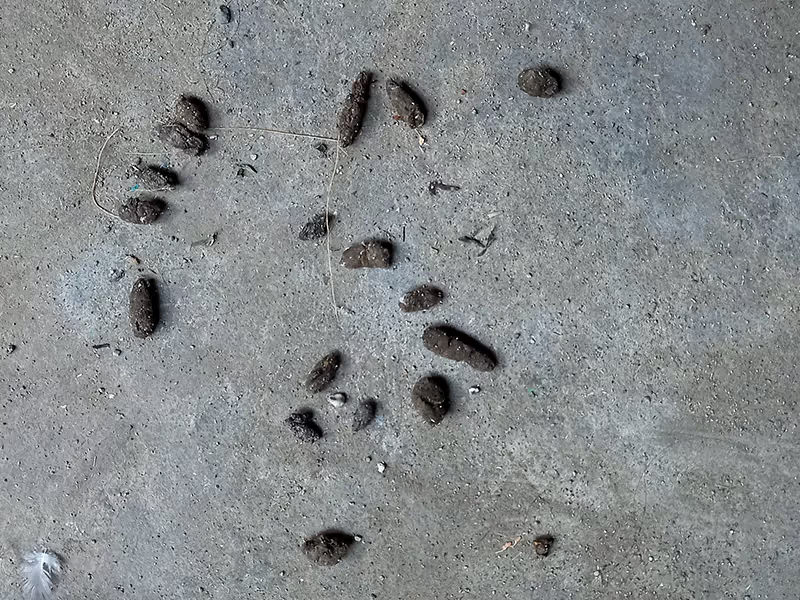
Droppings are one of the most recognizable signs that mice or rats have been active indoors. You may find them inside cabinets and drawers, along walls, in pantries, beneath sinks, near stored food, or in garages, attics, and other protected spaces.
Mouse droppings are generally small and pointed, while rat droppings are noticeably larger. Size and shape can help with identification, but droppings alone shouldn't be used to determine exactly which rodent you're dealing with.
Pay attention to where and how often droppings are appearing. Finding new droppings after an area has previously been cleaned can indicate ongoing activity rather than evidence left behind from an old problem.
Rodent droppings and urine can also carry pathogens, so avoid sweeping or vacuuming dry droppings, which can stir contaminated particles into the air.
2. Gnaw Marks and Damaged Food Packaging
Mice, Norway rats, and roof rats have incisors that grow continuously, so gnawing is a normal part of their behavior.
Inside a home, that damage may show up on cardboard boxes, bags of pet food, pantry goods, wood, plastic containers, or other materials. Rodents can also gnaw on wiring, which can create a more serious concern than a damaged box of cereal.
A torn food package isn't automatically evidence of rodents. But packages with small gnawed openings, especially when they're found along with droppings or other signs, deserve a closer look.
You may also notice food that has been scattered or disturbed inside cabinets, pantries, garages, or other storage areas.
3. Scratching or Scurrying in Walls, Ceilings, and Attics
Sometimes you hear a rodent problem before you see any physical evidence.
Mice and rats are generally most active after dark, when a home is quieter and their movements are easier to hear. Homeowners may notice scratching, scurrying, rustling, or gnawing sounds coming from walls, ceilings, attics, cabinets, or other hidden spaces.
An occasional unexplained sound doesn't confirm a rodent infestation. Houses make plenty of noises, and other animals can get into attics and wall spaces.
Repeated sounds, particularly when they happen at night or are accompanied by droppings, gnawing, or other rodent evidence, are worth investigating.
4. Nesting Material in Hidden Areas
Mice use soft, shredded materials to build nests in protected locations close to the resources they need.
You might find shredded paper, cardboard, fabric, insulation, or similar material tucked into the back of a cabinet, storage area, garage, attic, or other secluded space.
The material itself isn't always enough to identify a rodent nest. What makes it more suspicious is where it's located and what you find nearby.
A collection of shredded material in an undisturbed area accompanied by droppings, gnaw marks, or food debris is much stronger evidence of rodent activity than shredded material by itself.
5. Unusual Odors
Rodent activity can sometimes create odors inside a home.
Urine and accumulated waste can produce a stale or musky smell, particularly in enclosed areas where rodents have been active for some time. A strong, unpleasant odor can also occur if a rodent dies inside a wall void, attic, crawl space, or another inaccessible location.
Odor alone isn't enough to confirm mice or rats. Plumbing problems, moisture, mold, and other household issues can produce unusual smells as well.
When an unexplained odor occurs alongside droppings, noises, or other rodent signs, however, it provides another clue about what may be happening.
6. Grease Marks and Rodent Tracks
Mice and rats often travel along walls, edges, and other protected routes rather than moving through exposed areas.
With repeated use, rodents can leave dark smudges or greasy marks where their bodies contact walls, baseboards, pipes, or openings. These marks tend to be more noticeable with rats.
Tracks can also sometimes be found in dusty areas. Depending on the surface, you may see small footprints or marks left by a rodent's tail.
These signs are easy to miss and can be confused with ordinary dirt, which is one reason the overall combination and location of evidence matters when identifying rodent activity.
7. Seeing a Mouse or Rat Indoors
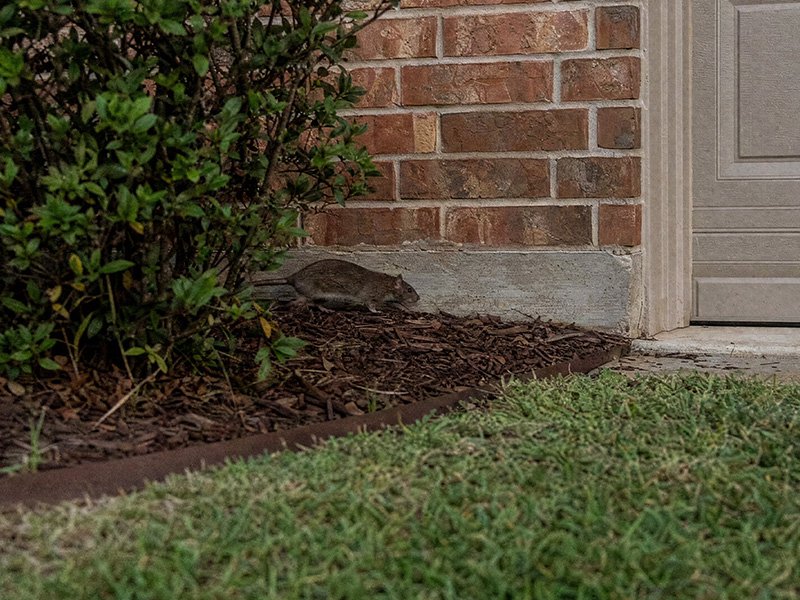
Actually seeing a mouse or rat is one of the clearest signs of rodent activity, but a single sighting doesn't tell you how many rodents are present.
The time of day doesn't tell you much about the size of the problem either. Mice and rats are generally more active after dark, but they can also move around during daylight hours. Seeing one during the day does not necessarily mean you have a large infestation.
There could be additional activity in hidden areas such as wall voids, beneath appliances, attics, crawl spaces, garages, or storage areas.
Instead of trying to estimate the size of an infestation from one sighting, look at the bigger picture. Droppings, gnaw marks, nesting material, noises, odors, and repeated sightings can provide much more information about whether rodents have become established inside.
8. Your Pet Is Suddenly Focused on One Area
Dogs and cats sometimes notice rodent activity before their owners do. They may hear movement inside a wall or detect a scent coming from an area you wouldn't otherwise pay attention to.
You might notice your pet repeatedly sniffing beneath an appliance, staring at a wall or cabinet, pawing at the same spot, or becoming unusually interested in one area of the house.
A pet acting differently isn't proof that mice or rats are present. There could be plenty of other explanations. But if the behavior is persistent and you're also finding droppings, hearing scratching, or noticing other signs on this list, it can be another clue worth investigating.
Do One or Two Signs Mean You Have a Rodent Infestation?
Not necessarily.
One dropping, an unexplained noise, or a damaged package isn't enough by itself to determine that you have an active infestation. Some evidence may be old, and some things that look like rodent activity can have other explanations.
Multiple signs are more concerning, especially when they continue appearing.
For example, fresh droppings beneath the kitchen sink combined with nighttime scratching and newly damaged food packaging provide a much stronger indication of ongoing rodent activity than any one of those signs alone.
A professional inspection can help determine whether rodents are currently active, where they may be getting inside, and which areas of the home need attention.
Why Rodent Problems Can Be Hard to Find
Mice and rats don't need to spend much time in open areas where you're likely to see them.
They can move through concealed and protected spaces and shelter in areas such as attics, wall voids, garages, crawl spaces, storage areas, and spaces behind appliances. Mice can also fit through surprisingly small openings, making it possible for them to enter homes through gaps that don't immediately look significant.
That's why the mouse you see isn't necessarily the most useful clue.
Where droppings are appearing, where noises are coming from, what has been gnawed, and how rodents may be entering the structure can all help build a clearer picture of the problem.
What Should You Do If You Find Signs of Rodents?
Finding rodent evidence is a good reason to investigate rather than waiting for more obvious activity.
Cleaning up food spills, securing food and trash, and addressing obvious openings can make a home less attractive or accessible to rodents, but those steps don't necessarily resolve an established problem. If mice or rats are already sheltering inside, it's important to determine where they're active and how they're getting in.
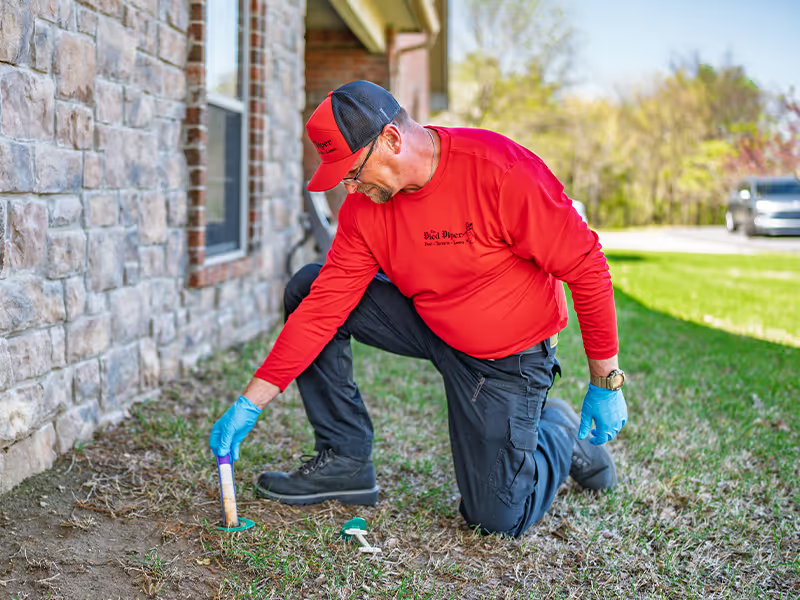
The Pied Piper provides pest control plans that include protection against rats and mice for homeowners throughout North Texas and eastern Oklahoma, including Azle, Weatherford, Eufaula, and Muskogee.
The Piper Pro Plan provides year-round protection against rats, mice, and 20+ other common pests through routine pest treatments and placement of exterior rodent bait stations.
Own or manage a commercial property? See An Indication of Rodent Activity In An Operation Is the Presence Of… (And What To Do Next) for signs of rodent activity that are especially relevant in commercial environments.
Get Help With Mice and Rats in Your Home
If you're finding droppings, hearing scratching, seeing rodents, or noticing other signs of activity, The Pied Piper can help determine what's going on.
Contact The Pied Piper to request pest control service.
This blog was originally published on December 12, 2017; it has been updated to reflect the most up-to-date information.