Quick Answer: What is the Most Common Indication of Rodent Activity in an Operation?
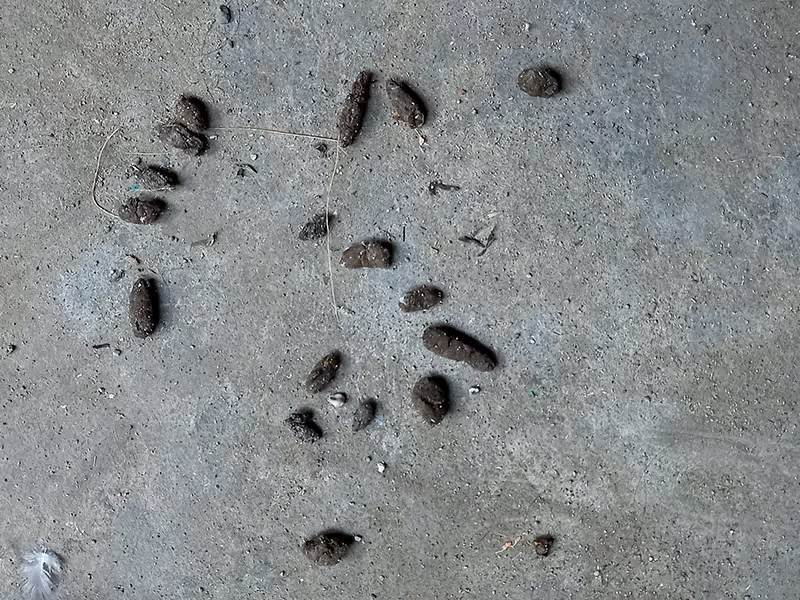
An indication of rodent activity in an operation is most often the presence of droppings (feces) found in active travel paths, storage areas, and hidden edges such as:
- Along wall-floor junctions
- Behind equipment
- Under shelving
- Inside cabinets, utility chases, or mechanical rooms
Droppings matter because they’re easy to miss during normal operations—but they’re also one of the easiest signs for an inspector (or your team) to confirm.
If you’re also seeing gnaw marks, rub marks, or nesting, that typically suggests the problem is established, not random.
If you have an inspection scheduled—or one could happen unannounced—professional monitoring and documentation matter. Inspectors don’t just look for signs of activity; they look for proof that a system is in place to detect, track, and correct issues over time through ongoing commercial rodent control.
9 Signs of Rodent Activity in a Facility (What to Look For)
Use this list for internal walk-throughs and pre-inspection checks.
1) Droppings in Predictable “Runway” Areas
Droppings are commonly found where mice and rats feel protected: along edges, behind items, and near stored products.
If you want a quick way to separate “old” from “fresh,” look for changes in color/texture (fresh droppings tend to look darker and moist). When in doubt, treat any droppings as a serious sanitation risk.
2) Gnaw Marks on Packaging, Doors, Wires, or Wood
Rodents gnaw continuously to control tooth growth. In commercial settings, that can show up as:
- Damaged product packaging
- Chewed corners of doors or dock seals
- Wire damage near equipment
Note: Wire damage is more than an inspection issue—it can become a fire risk. Don’t wait on this one.
3) Rub Marks (Grease Marks) Along Walls and Edges
Rodents often leave dark rub marks along frequently traveled routes. These are especially common in:
- Corridors behind shelving
- Along baseboards
- Around entry points
4) Urine Staining and Odor
A strong, persistent musky odor—especially in enclosed spaces—can indicate ongoing activity. In some facilities, urine staining may also appear along routes.
5) Nesting Material
Shredded paper, insulation fragments, fabric, or cardboard bits tucked into hidden areas can signal nesting.
6) Burrows or Disturbed Soil Near the Building
Around the exterior, look for burrows near:
- Foundations
- Dumpsters
- Loading docks
- Landscape beds that touch the building
7) Tracks, Tail Marks, or “Dirty” Pathways
In dusty or low-traffic areas, you may see tracks and tail drags. These signs are common in:
- Storage rooms
- Attic/ceiling void access areas
- Mechanical rooms
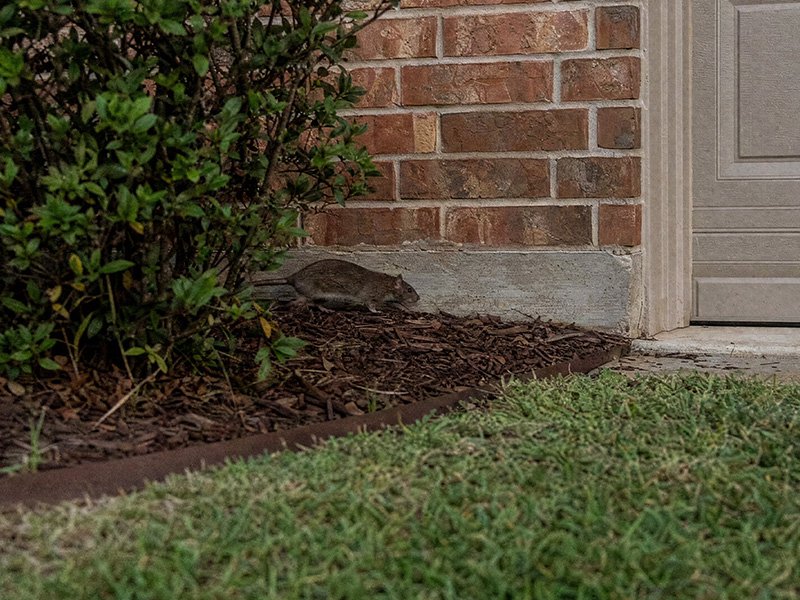
8) Sightings (Live or Dead)
Even one rodent sighting in a commercial environment should trigger a response, because it often means:
- There’s a nearby harborage area
- Entry points are open
- Food/water sources are accessible
9) Conditions That Attract Rodents
Inspectors don’t just note evidence—they look for reasons rodents can thrive.
Common facility “magnets” include:
- Cluttered storage against walls
- Gaps under doors or around penetrations
- Unsealed floor drains/utility chases
- Standing water or chronic moisture
- Overflowing dumpsters or open lids
What to Do If You Find Signs (A Practical Response Plan)
When businesses discover signs of rodent activity, the first instinct is often to deploy traps. While traps can reduce immediate activity, most regulated environments require a documented, professionally managed program to address root causes and verify control.
Effective rodent management in commercial operations is not just removal—it’s exclusion, sanitation, and ongoing monitoring, typically overseen by a licensed pest management provider.
Here’s a practical framework facilities should follow, in coordination with a professional partner:
Document and Map the Signs
- Log where evidence is found (a simple floor plan works)
- Note dates, times, and patterns of activity
- Take photos for internal records and inspection documentation
Documentation is often reviewed during inspections to confirm that activity was identified, addressed, and monitored appropriately.
Remove Attractants
- Tighten food storage (sealed containers, off the floor)
- Reduce clutter and maintain clear perimeters along walls
- Address leaks, condensation, and standing water
These steps support control efforts but do not replace professional monitoring or exclusion work.
Close Entry Points (Exclusion)
Common entry points include:
- Gaps under exterior doors
- Dock plates and dock levelers
- Wall penetrations for plumbing/electrical
- Damaged vents or screens
Implement Professional Monitoring and Oversight
A compliant rodent management program typically includes:
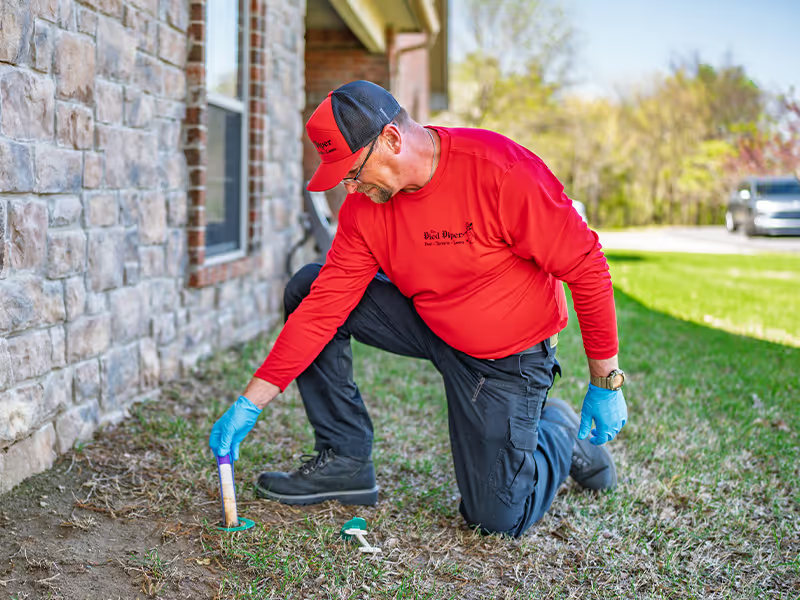
- Strategic placement of monitoring devices and tamper-resistant stations (where appropriate)
- Regular service intervals with documented findings
- Trend analysis to confirm activity is decreasing over time
In many jurisdictions and facility types, ongoing professional monitoring is expected—and sometimes required—by health departments and third-party auditors.
If you need a long-term partner, our commercial pest control team builds inspection-ready rodent management programs tailored to your facility type, risk level, and regulatory environment.
Why DIY Rodent Control Often Fails in Operations
In commercial environments, “quick fixes” usually break down because:
- The true entry point is missed
- Activity shifts to a new part of the facility
- Sanitation and storage processes aren’t aligned with the plan
- Monitoring isn’t consistent
For a deeper explanation, see our guidance on Why DIY Rodent Control Usually Fails.
How The Pied Piper Helps (What a Professional Program Includes)
A strong commercial rodent program is more than removal—it’s prevention and verification.
A typical plan includes:
- Inspection of interior + exterior risk points
- Trend-based monitoring to identify hotspots and patterns
- Exclusion recommendations to close gaps and protect the perimeter
- Sanitation and storage coaching that fits your operation
- Ongoing services to ensure pest pressures remain below acceptable thresholds
Schedule a commercial rodent assessment to identify risk points, confirm current activity, and ensure your facility has the monitoring and documentation inspectors expect.
If your facility team also supports residential properties, you may want to review our homeowner-focused resource on Identifying Signs of Rodent Infestation.
Confirm Service Coverage and Next Steps
If you’re seeing signs of rodent activity, the next step is to schedule a professional inspection and get an exclusion-forward plan.
The Pied Piper serves businesses across Eastern Oklahoma and the Dallas–Fort Worth metro. You can confirm coverage on our where we service page.
For immediate help, contact our team here: contact us.
If you’re comparing species-specific risks, these guides can help your team identify what you’re dealing with: