Ants Only Need the Smallest Opening
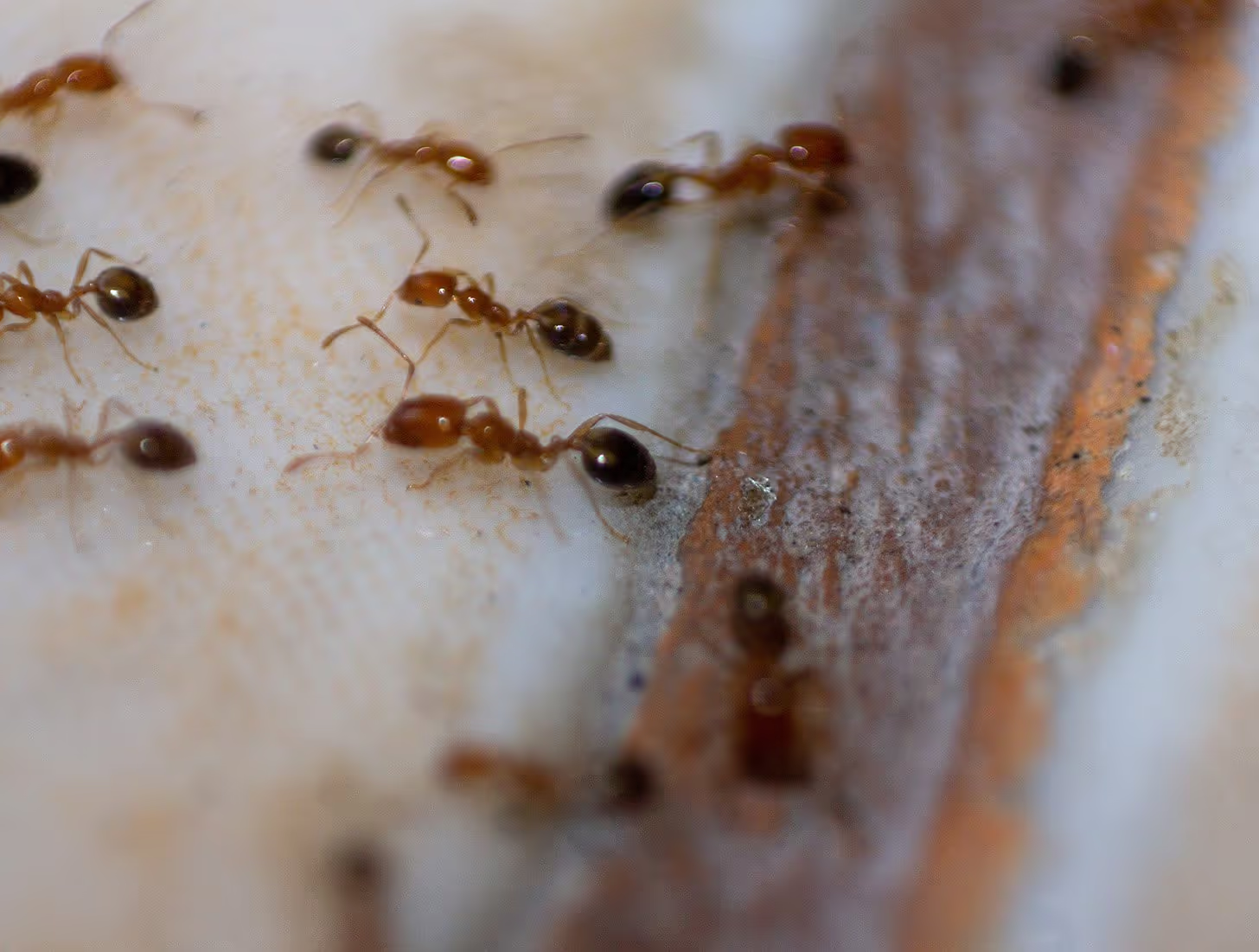
Ants can fit through incredibly small gaps. We’re talking about spaces you wouldn’t notice unless you were specifically looking for them.
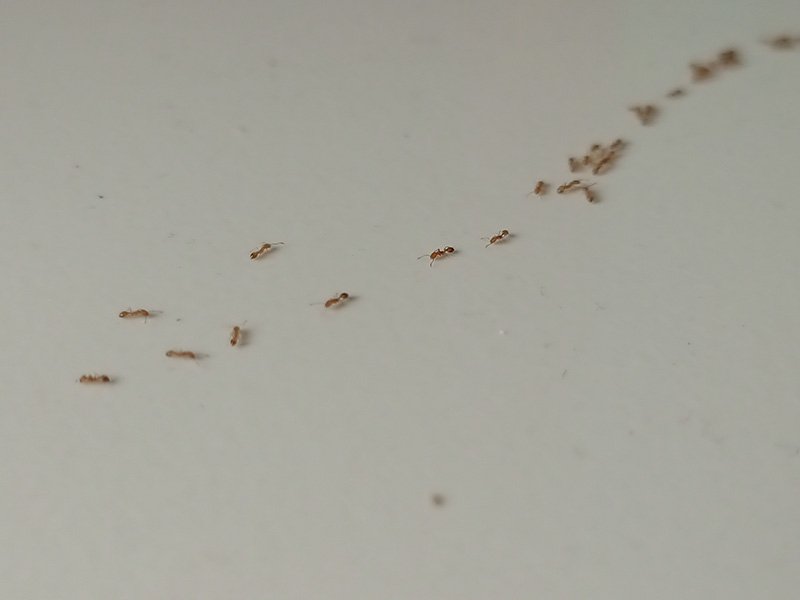
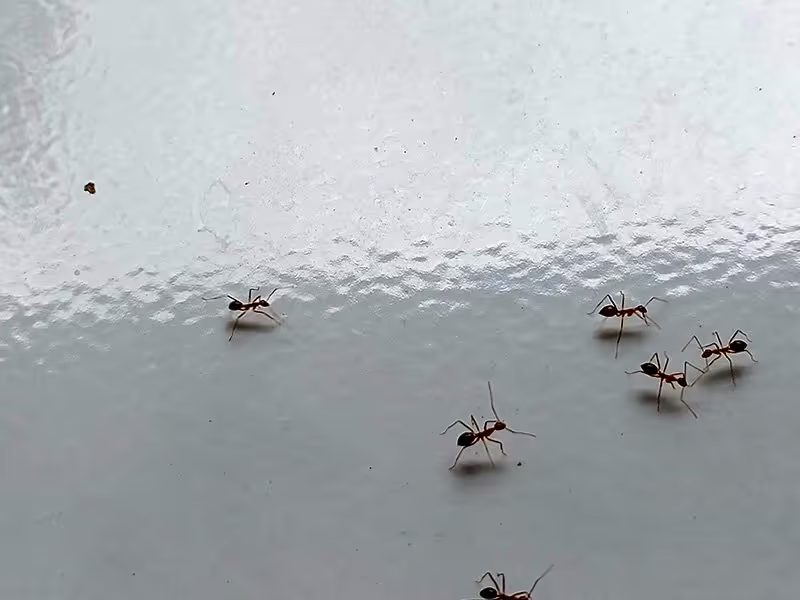
Tiny cracks in the foundation, slight separations around windows, or small gaps under doors are more than enough. Once a scout ant finds a way inside, it leaves a scent trail behind. That trail becomes a roadmap for the rest of the colony.
That’s why you don’t just see one ant. You see a steady line.
Your Foundation Is the Most Common Entry Point
In homes across Oklahoma and Texas, the foundation is one of the biggest access points for ants.
Concrete naturally develops small cracks over time. Expansion joints shift. Soil movement creates tiny openings where the structure meets the ground.
To you, it looks solid. To ants, it’s full of entry points.
Once they get through, they can move along baseboards, behind walls, and into kitchens or bathrooms without ever being seen.
Doors and Windows Let More In Than You Think
Even when doors and windows are closed, they’re not always sealed tightly.
Worn weatherstripping, small gaps at the corners, or slight misalignments can leave just enough space for ants to slip through. Sliding doors and older window frames are especially common problem areas.
These entry points often go unnoticed because they don’t affect anything else—until pests start using them.
Plumbing and Utility Lines Create Hidden Pathways
Anywhere something enters your home, ants can follow.
Pipes under sinks, water lines, cable lines, and electrical conduits all require openings in the structure. Even when sealed, those areas can develop gaps over time.
That’s why you’ll often see ants in kitchens, bathrooms, or laundry rooms. They’re following these hidden pathways straight inside.
Slab Cracks and Expansion Joints Are Easy Access
In slab homes, which are common in this region, cracks and expansion joints are a major factor.
These aren’t always visible from inside the home. Ants can enter through the slab, move underneath the flooring, and appear in completely different areas.
To a homeowner, it feels like ants are coming out of nowhere. In reality, they’ve been traveling through the structure the whole time.
Once One Ant Gets In, the Rest Will Follow
This is where things escalate quickly.
Ants don’t randomly wander through your home. They follow scent trails laid down by other ants. Once a path is established, it becomes consistent and repeatable.
That’s why you’ll see them in the same place over and over again. The entry point doesn’t change. The route is already mapped.
If ants seem to show up suddenly, there’s usually a reason behind it.
Why Sealing Gaps Alone Doesn’t Solve the Problem
It’s easy to think the fix is just sealing cracks or closing gaps. While that helps, it doesn’t address the full issue.
If a nearby colony is already established, ants will continue searching. If one entry point is blocked, they’ll find another. And if they’ve already found food or water inside, they’re motivated to keep trying.
This is where most homeowners get stuck. Fix one spot, and the ants show up somewhere else—that’s something we see all the time in homes across this area.
Sealing one gap might slow ants down, but it usually doesn’t stop them.
If ants keep showing up, it’s a sign there’s more going on than just a single entry point. That’s when the problem shifts from a simple fix to something more ongoing.
That’s why most homeowners end up needing a residential pest control plan—one that looks at the whole situation, not just where ants happen to show up.
The Pied Piper Eliminates and Prevents Ant Infestations
If you’re seeing ants repeatedly in the same areas, or they keep coming back after you’ve tried to seal things up, it’s a sign there’s a larger issue at play.
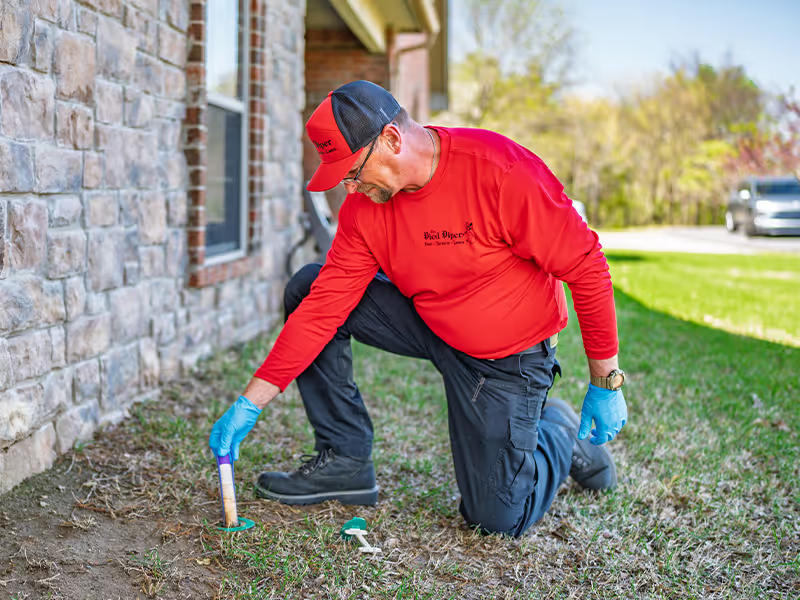
At The Pied Piper, we work with homeowners every day who are dealing with exactly this situation. Our approach goes beyond surface fixes. We identify entry points, locate the source of the activity, and put a plan in place to provide year-round pest control coverage.
Instead of reacting to ants each time they appear, we stay ahead of the issue by providing routine pest treatments year-round.
Because once the source is handled and a plan is in place, ants aren’t just controlled—they’re kept from coming back.
Frequently Asked Questions About Ant Entry Points
Why are ants coming in even though my doors are closed?
Ants don’t need open doors. Small gaps around frames, thresholds, or weatherstripping are enough for them to get through without being noticed.
Can ants come up through the floor?
Yes, especially in homes with slab foundations. They can enter through cracks or expansion joints and travel underneath the flooring before appearing inside.
Why do ants keep coming back to the same entry point?
Once ants establish a scent trail, they continue using it. Even if you disrupt it temporarily, they’ll often re-establish the same route if the colony is still nearby.
Are certain parts of the house more vulnerable to ants?
Yes. Kitchens, bathrooms, and areas where plumbing or utilities enter the home are more vulnerable because they provide both access points and resources, such as food or moisture.
Take Control of Ant Activity Before It Becomes Routine
Once ants start showing up, they tend to keep coming back. What starts as occasional ant activity can quickly turn into something you’re dealing with over and over again.
The Pied Piper helps homeowners break that cycle with a residential pest control plan built for year-round protection. Instead of reacting each time ants appear, you have a consistent approach that keeps your home protected over time.
Serving communities across Oklahoma and Texas, including Glenpool, Tulsa, Azle, and Southlake, The Pied Piper helps homeowners stay protected year-round. Find a Piper near you or simply reach out today for a free quote and put a long-term solution in place.