Ants are one of the most common reasons homeowners across Oklahoma and the Dallas-Fort Worth metro call us. Colonies stay busy through the warm months, and a heavy rain or a hot, dry spell can send trails straight into kitchens and bathrooms.
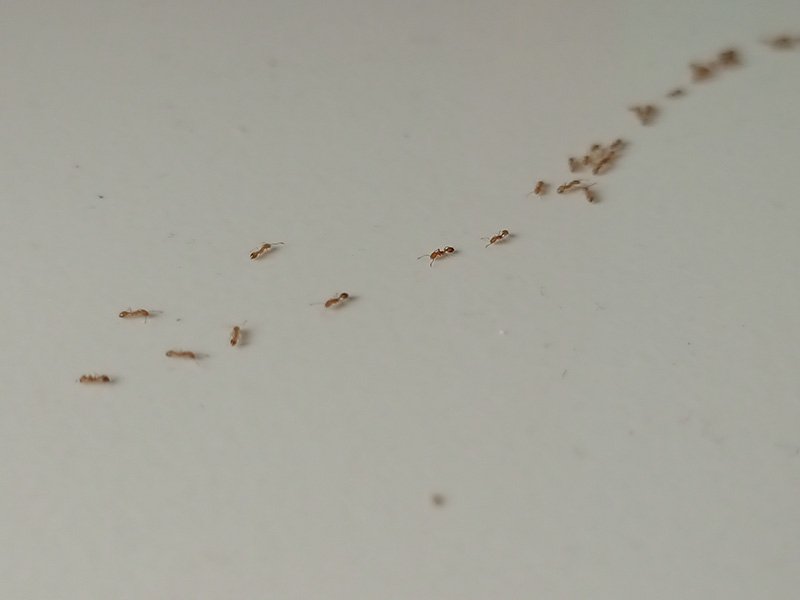
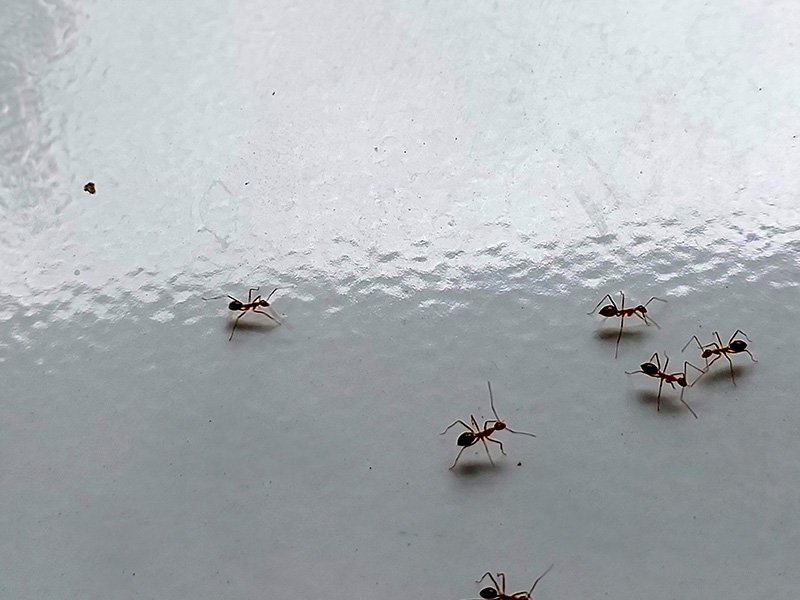
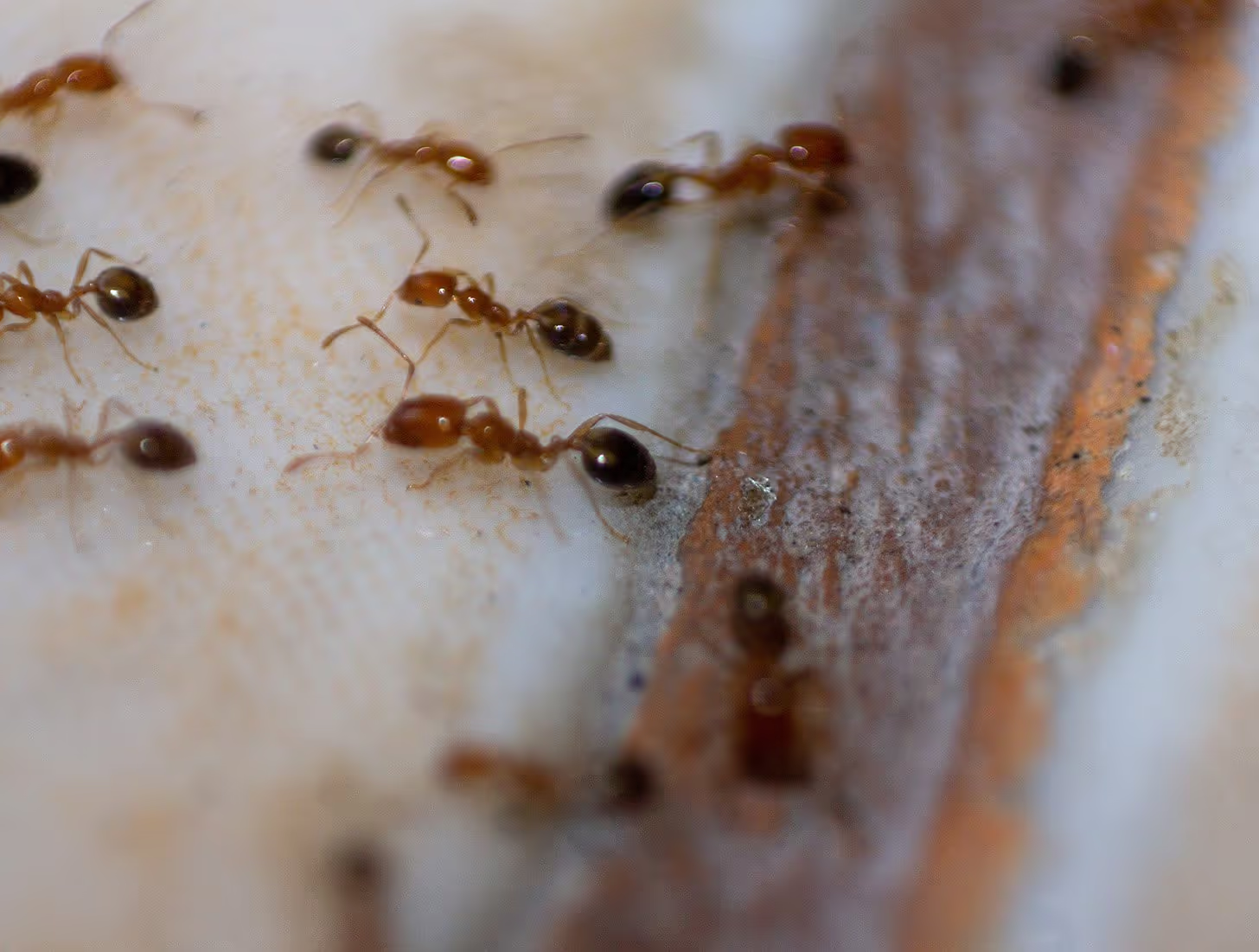
The species matters. Carpenter ants tunnel into moist or damaged wood, harvester ants build large mounds in open yards, and odorous house ants and little black ants form long trails that come back after store-bought sprays.
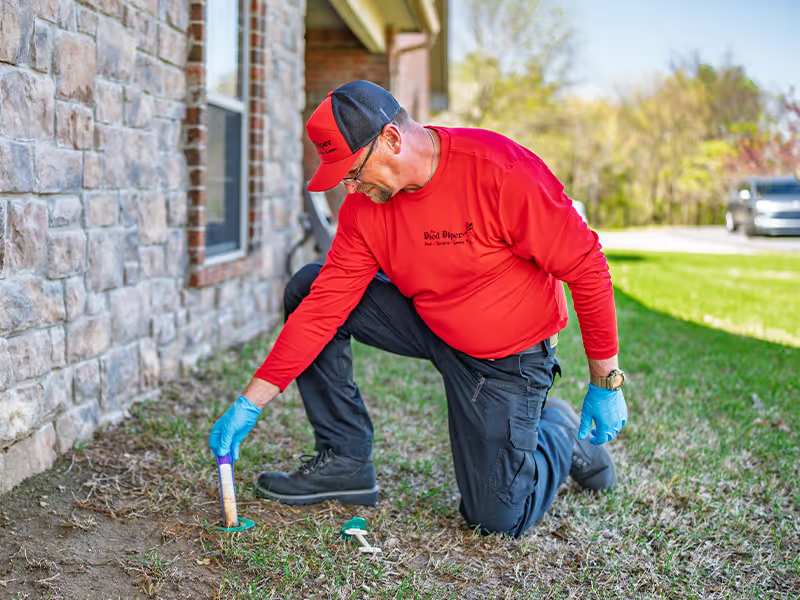
Since 2010, our local team has treated ants by finding where the colony lives, not just the trail you can see. Pick your ant below to learn how to identify it, when it is most active, and what we do about it.
We've received fewer calls about ants over the past two weeks than we did during the previous two, but homeowners are still reaching out. Recent calls have come from Azle, Springtown, and Midlothian, with Azle accounting for the most.
Late October doesn't necessarily mark the end of ant activity in North Texas. Cooler nights may slow some outdoor activity, but warmer days can bring ants back out to forage. Homeowners may still notice them around kitchen sinks, cabinets, bathrooms, and other areas where food or moisture is available.
Ant activity can also be inconsistent this time of year. You might spot ants one afternoon, see little activity for several days, and then notice them again. That can make it difficult to know whether the problem has passed or whether ants are still actively foraging around your home.
If you're noticing repeated activity, The Pied Piper can help identify the species, determine where the ants are coming from, and recommend an appropriate treatment.
Learn more about our residential pest control services.

I recently had the pleasure of using Pied Piper Pest Termite and Lawn Services, and I must say, Dylon's hard work and dedication stood out. His thorough approach and attention to detail ensured a pest-free environment. I highly recommend their services for their professionalism and effectiveness.
Dani P.
Azle, TX

Pied Piper does a very thorough job. I own a local restaurant and they keep the place pest free. If any bugs break through, they are there in a heartbeat to take care of it.
Chuck K.
Eufaula, OK

When the weather turned cold, we had hundreds of wasps try to enter our home to find warmth. Despite it being afternoon on a Friday with no appointment, Pied Piper came out when I called and handled the wasp problem. Gene Pearson was great. He went above and beyond. Highly recommend!
Derek S.
Eufaula, OK


Helpful Tips & Info