What This Blog Covers
This blog breaks down the must-know information homeowners and business owners need to keep rodents out, including:
- Why rodent infestations are so destructive
- The most effective steps for preventing rats and mice from entering your property
- How to reduce outdoor attractants and tighten up storage areas
- Tips for keeping kitchens and living spaces rodent-unfriendly
- The most common signs of rodent activity
- When to call a professional for help
Why You Don’t Want Rodents in Your Home
Even a small rodent problem can cause big trouble. Rats and mice chew constantly, damaging insulation, wiring, pipes, drywall, HVAC components, and stored belongings. Rodent damage can quickly turn into costly repairs, especially in older homes or commercial buildings.
Rodents are also a legitimate health concern. They contaminate food and prep surfaces, leave behind droppings and urine, and spread harmful illnesses through direct contact, airborne particles, and even water sources.
And because they reproduce so quickly, what starts as a “small issue” can explode into dozens of rodents in a matter of months.
Practical Tips for Preventing Rodent Infestations
To keep rodents out, start by tightening up your property and eliminating the attractants that draw them in.
1. Seal Entry Points
Rodents regularly slip inside through tiny gaps around:
- Windows and doors
- Vents
- Rooflines
- Utility lines and exterior pipes
- Foundation cracks
A mouse only needs a hole the size of a dime to squeeze through. Inspect your home’s exterior carefully and seal every gap with steel wool, metal flashing, or rodent-proof caulk.
2. Limit Outdoor Attractants
Anything that provides food or shelter increases rodent pressure around your home. Make sure to:
- Keep garbage cans tightly sealed
- Store firewood at least 20 feet from your home
- Maintain trimmed grass and landscaping
- Clean up leaf litter and fallen branches
Rodents love clutter, shade, and cover. The cleaner your yard, the fewer hiding spots they have.
3. Check Storage Items Regularly
If you store holiday decorations or other belongings in an attic, garage, or storage unit, you may be giving rodents the perfect nesting site. To prevent surprises:
- Use sealed plastic containers instead of cardboard boxes
- Reduce unnecessary clutter
- Inspect boxes and bags before bringing them inside
Rodents frequently chew through cardboard, making durable plastic storage the much safer option.
4. Keep Your Kitchen Clean and Rodent-Unfriendly
Your kitchen is prime real estate for hungry rodents. To lower the chances of attracting them:
- Store food in airtight containers and not original packaging
- Clean dishes promptly
- Wipe counters after cooking
- Sweep floors regularly
- Take out the trash often
Eliminate easy food sources, and you’ll make your home far less attractive to rodents and other pests, for that matter.
What to Do If You See Signs of Rodents
Common signs include:
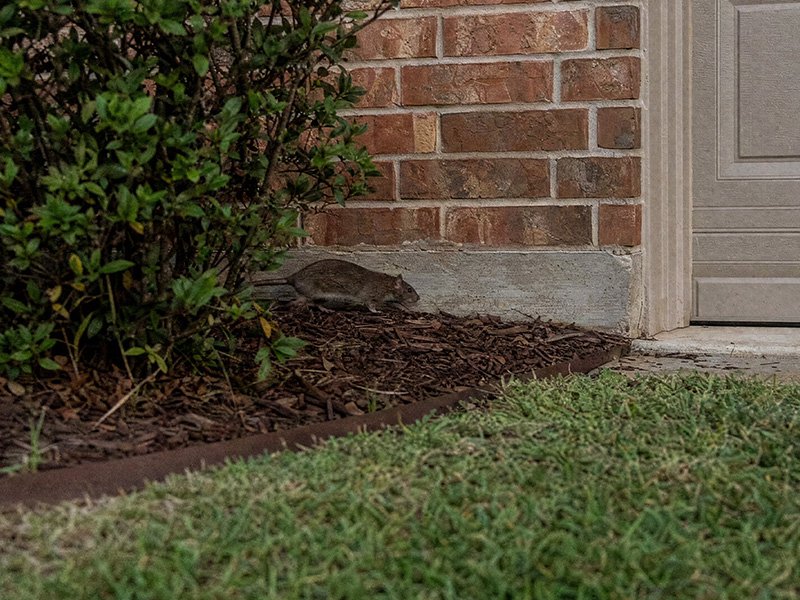
- Live or dead rodents
- Scratching, squeaking, or rustling in walls or ceilings
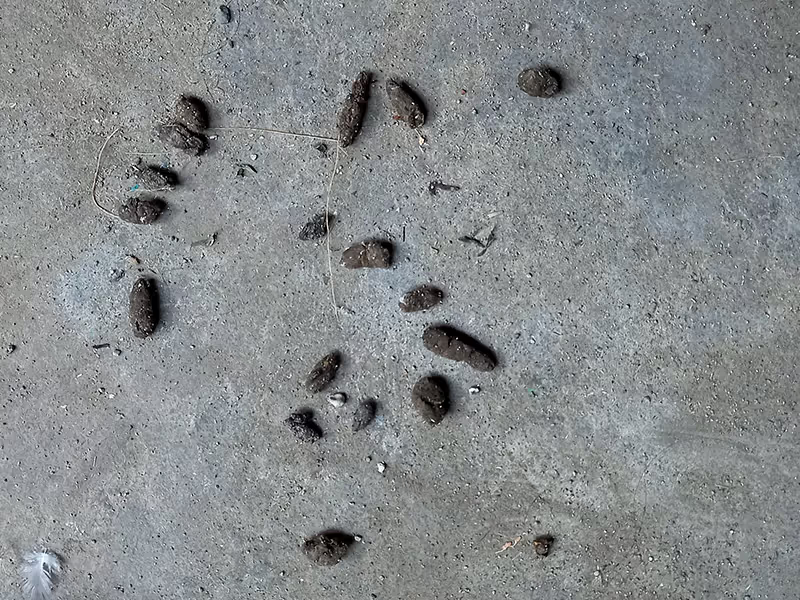
- Droppings around cabinets, appliances, or storage areas
- Greasy rub marks along walls and baseboards
- Jagged holes in food packaging
- Damaged insulation or shredded nesting materials
While traps may catch one or two rodents, they rarely solve the whole problem, especially once nests, scent trails, and entry points are established.
If you notice any signs of rats or mice, it’s time to call the experts.
Professional Rodent Control from The Pied Piper
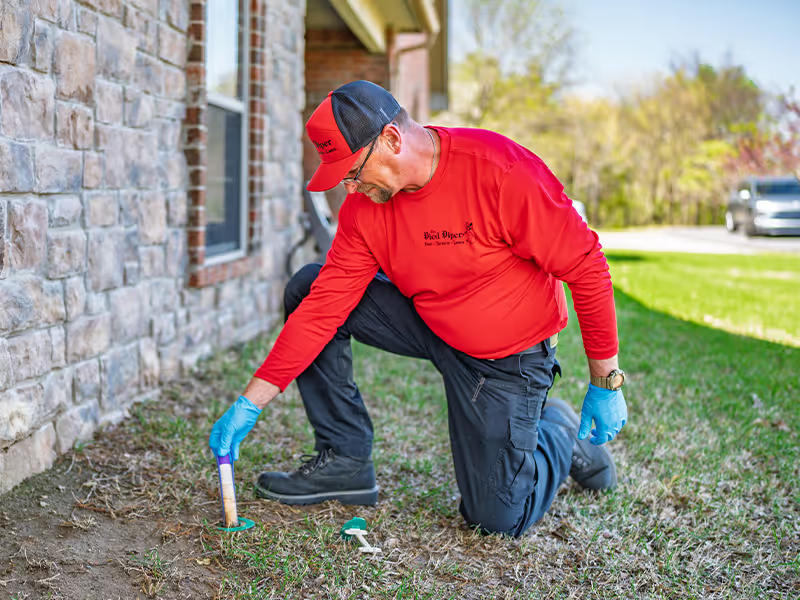
The Pied Piper’s pest control services don’t just remove active rodents—they help prevent new activity. From entry-point sealing to strategic trapping and long-term protection, we offer solutions tailored to homes and businesses.
If rats or mice are making themselves at home, contact The Pied Piper today and let our team help you reclaim your space.
Frequently Asked Questions About Preventing Rodents
Are DIY rodent traps enough to get rid of an infestation?
Traps may catch a few rodents, but they won’t solve the problem. Mice and rats reproduce quickly, hide well, and often enter through entry points that property owners don’t even know about. Without addressing those entry points, rodents almost always return.
How can I keep rodents out of my kitchen?
Store food in airtight containers, wipe down surfaces daily, and avoid leaving dirty dishes in the sink. Clean up crumbs and spills immediately. Regular sweeping and taking out the trash also make a big difference.
Should I store holiday decorations in cardboard boxes?
Cardboard is one of rodents’ favorite nesting materials. They chew through it easily and often hide inside. Heavy-duty plastic containers, such as those available at Walmart or Home Depot, are safer for long-term storage.
Is it true that rodents can spread illness without direct contact?
Yes. Rodent droppings and urine can release particles into the air or contaminate food and surfaces. This is one of the key reasons homeowners should address infestations promptly and avoid disturbing contaminated areas without proper protection.
This blog was originally published on December 8, 2017; it has been updated to include new information.